
See How Much YOU Can Save - Call Today For A FREE Quote (877) 810-8872

Fall Cleanups & Falling Branches: General Liability Risks During Peak Leaf Season

October 28, 2026

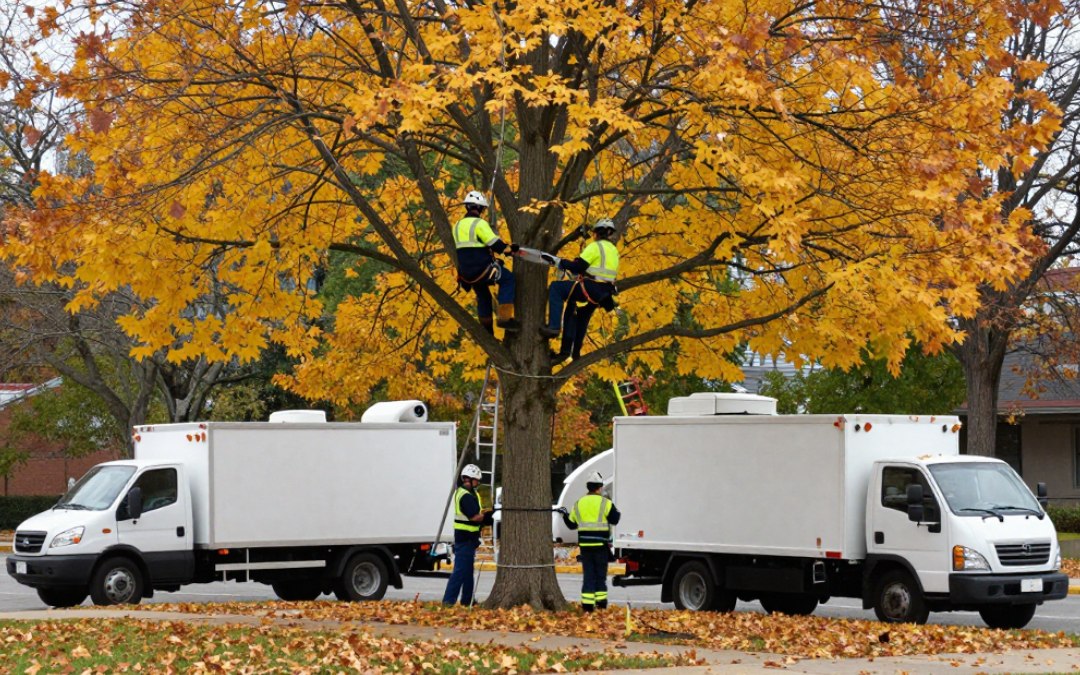
As the autumn leaves begin to peak across Michigan, Indiana, Illinois, Minnesota, Iowa, and Wisconsin, commercial tree service companies enter one of their busiest stretches of the year. Property owners race to clear accumulated yard debris, trim deadwood ahead of winter frost, and manage heavy leaf drop. While peak leaf season brings steady revenue, it also introduces unique operational hazards that can catch unprepared business owners off guard. Understanding how seasonal workflow shifts impact your commercial insurance protection is critical for safeguarding your company’s bottom line. The Hidden Liability Risks of Autumn Tree Work Fall cleanups and seasonal pruning involve high-volume scheduling, rapid debris transport, and frequent property access. During this high-demand window, several distinct risk factors increase your exposure to potential third-party property damage and bodily injury claims:
    • Increased Foot Traffic & Property Obstacles: Lawns and driveways are often slick with wet leaves, making slip-and-fall hazards more prevalent for both your crew and local residents.
    • Proximity to Structures: Homeowners and commercial property managers are eager to clear overhanging branches near roofs, power lines, and fences before winter storms arrive. Tight working quarters elevate the risk of dropped limbs striking buildings or vehicles.
    • Heavy Debris Loading: Moving oversized branches and wet leaf piles increases strain on rigging equipment, trailers, and hauling trucks.
When an unexpected mishap occurs on a client's property, the financial fallout can be severe without the right safeguards in place. How General Liability Insurance Protects Tree Care Businesses Commercial General Liability (CGL) insurance is the foundational safety net for any tree care operation. During high-volume months like October, your CGL policy provides critical financial defense against claims involving:
    1. Third-Party Property Damage: If a falling limb accidentally damages a client's retaining wall, deck, or vehicle during a pruning job, general liability coverage helps handle repair or replacement costs.
    2. Bodily Injury Claims: Should a visitor or property occupant slip near your work zone or be struck by falling debris, your policy addresses medical expenses and potential legal liabilities.
    3. Completed Operations Coverage: Protection doesn't end when your crew leaves the job site. This coverage shields your business from claims arising out of property damage or injury discovered after a project is finished—such as a compromised branch breaking off weeks later.
Evaluating Your Policy Limits Before the Busy Season Peaks Operating across multiple Midwestern states means dealing with diverse municipal regulations, weather patterns, and job site environments. To ensure your business is fully protected during fall operations, commercial tree service owners should review several key areas with a licensed insurance professional:
    • Verify Aggregate Limits: Ensure your policy limits reflect the scale and frequency of your current autumn project volume. High-turnover seasons mean more job sites, which statistically increases exposure.
    • Check Sub-Limits and Exclusions: Carefully review policy language regarding property work near power lines, crane operations, or specialized rigging to avoid coverage gaps.
    • Confirm Additional Insured Endorsements: Many commercial and municipal clients require proof of general liability coverage naming them as additional insureds before you step onto their property.
Frequently Asked Questions Does general liability insurance cover damage to a customer’s property caused by falling branches? Yes, commercial general liability insurance helps pay for third-party property repairs or replacement if your crew accidentally causes damage during trimming, pruning, or removal operations—such as a falling limb striking a customer’s roof, deck, fence, or vehicle. How much general liability coverage does a commercial tree service business need? Most commercial tree care companies carry a general liability policy with a minimum limit of $1,000,000 per occurrence / $2,000,000 aggregate, though larger commercial contracts or municipal jobs across Michigan, Indiana, Illinois, Minnesota, Iowa, and Wisconsin may require higher limits or a commercial umbrella policy. What is the difference between General Liability and Workers’ Compensation for tree care companies? General liability covers third-party claims involving property damage or bodily injury to non-employees (such as clients, neighbors, or passersby). Workers’ compensation specifically covers your employees’ medical expenses, lost wages, and rehabilitation if they are injured on the job.

Safeguard Your Operations Today

Don't let seasonal liability risks disrupt your company's growth. To review your current general liability coverage, discuss policy limits, or request a customized insurance quote tailored to your Midwestern tree care operations, contact Tree Trimmers Insurance, a division of John Scott Insurance, or call us at (877) 810-8872.
Preparing Your Tree Care Business for Q4: Payroll Audits, Seasonal Shifts, and Policy Reviews

October 14, 2026

As September transitions into the final quarter of the year, tree care contractors across the Midwest face a shift in operations. Peak summer removals and storm cleanup begin to cool, crew sizes adjust, and business owners turn their attention toward Q4 budgeting, year-end tax planning, and upcoming insurance audits.

Managing cash flow during seasonal transitions requires active insurance oversight. For arborist businesses operating in Michigan, Indiana, Illinois, Minnesota, Iowa, and Wisconsin, Q4 is the critical window to review payroll reporting, audit class codes, and adjust coverage limits before winter weather impacts job volume.

Navigating Seasonal Payroll Adjustments in Q4

Workers’ compensation premiums are directly linked to payroll. When crew sizes scale back after summer, maintaining static payroll estimates leads to overpaying on monthly premiums.

Aligning Monthly Reporting with Actual Payroll

If your policy uses a monthly self-reporting structure or pay-as-you-go system, updating payroll figures as seasonal workers exit ensures premiums mirror actual risk exposure.

For fixed-payroll estimated policies:

  • Mid-Year Adjustments: Request an endorsement to reduce estimated payroll for Q4 if crew size drops significantly.
  • Cash Flow Management: Adjusting estimates quarterly prevents tying up capital in premium overpayments that wouldn't be returned until after the annual audit.
Classifying Ground Crew vs. High-Canopy Workers

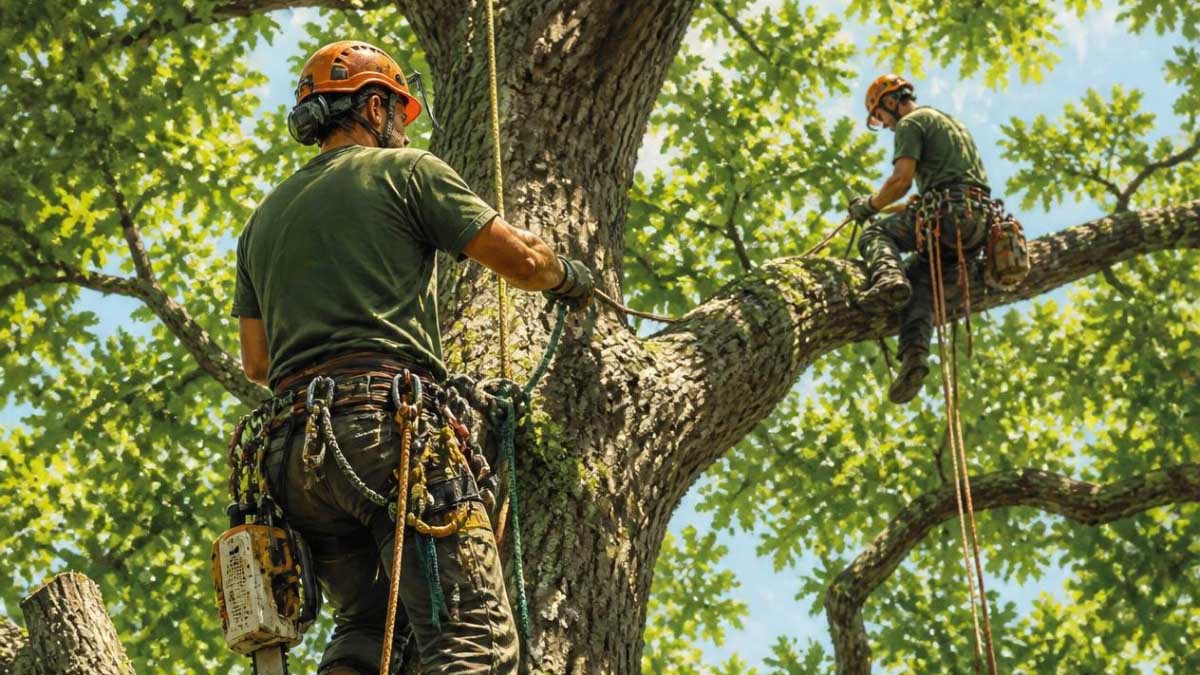
Properly separating payroll by duty type is essential. High-canopy climbing carries significantly higher rate factors than ground support or administrative roles.

Employee RoleTypical Risk ExposurePayroll Strategy
Climbers & Bucket OperatorsHigh-altitude, rigging, high-rate factorTrack hours strictly to avoid over-assigning lower-risk hours to high-rate codes
Ground Crew & Chipping StaffModerate exposure, ground equipment focusMaintain separate log entries for ground-only operations where state rules permit
Sales & Administrative StaffLow-risk office exposureSeparate out clerical payroll completely to utilize low administrative rate codes

Preparing for Your Annual Workers' Compensation Audit

Most workers’ compensation policies trigger an audit shortly after the policy term closes. Going in unprepared can lead to unexpected premium adjustments and back-billing.

Essential Audit Documentation Checklist

Gather these records ahead of your Q4 audit:

  • Detailed Payroll Records: Gross pay breakdowns, individual timecards, and quarterly tax filings (IRS Form 941).
  • Certificates of Insurance (COIs) for Subcontractors: Verify that every independent contractor or 1099 worker utilized during peak season provided a valid COI. Missing subcontractor COIs result in the insurer charging full workers' comp rates for those workers.
  • Owner/Officer Exclusion Forms: Ensure signed state exemption forms are current if officers or owners opt out of coverage.
Understanding State Audit Rules in the Midwest

Statutory rules governing audit reporting and class codes vary across MI, IN, IL, MN, IA, and WI. Working with an agency familiar with regional audit standards helps with proper payroll allocation and prevents misclassification penalties.

Managing Your Experience Modification Rate (EMR) in Q4

Your Experience Modification Rate (EMR) directly impacts overall policy costs. A Mod Factor below 1.0 yields premium discounts, while a factor above 1.0 adds surcharges.

  • Review Open Claims: Contact your claims handler to review open claims before year-end reserves are locked in by rating bureaus. Closing inactive claims or reducing inflated reserves helps protect your upcoming EMR.
  • Reassess Winter Safety Standards: Transitioning into Q4 means shorter daylight hours, colder conditions, and frozen ground. Updating fall safety protocols directly reduces late-season injury claims.

Pre-Winter Equipment & Fleet Reviews

Inland Marine (Equipment Floater) and Commercial Auto policies should be reviewed before machinery is winterized or stored.

  • Winter Storage Adjustments: If bucket trucks or chippers are taken off the road during winter months, check if your commercial auto policy allows for lay-up provisions (suspending liability coverage while maintaining comprehensive/storage coverage).
  • Equipment Valuations: Review scheduled equipment values to ensure newly acquired machinery is listed and retired equipment is removed.

Frequently Asked Questions (FAQ)

Q: How does seasonal hiring impact workers' compensation for tree trimmers in Q4?

A: As crew sizes scale down after peak summer, reporting accurate payroll changes prevents overpaying on monthly workers' comp premiums and reduces unexpected adjustments during your annual audit.

Q: What happens if a subcontractor doesn't have insurance during an audit?

A: If an independent contractor cannot provide a valid Certificate of Insurance covering the period worked, the audit treats them as an employee, adding their entire pay to your payroll calculation under the highest applicable risk class code.

Q: Can I lower my commercial auto premiums if my trucks are parked for the winter?

A: Yes, many policies allow comprehensive-only coverage (or lay-up status) during extended downtime, protecting vehicles against theft, fire, or weather damage while eliminating driving-related liability costs.

Partner with Midwest Arborist Insurance Specialists

Since 1960, John Scott Insurance has helped commercial tree care contractors protect their operations and manage policy costs. As a dedicated division focused entirely on tree trimming risks, Tree Trimmers Insurance brings specialized knowledge to business owners across Michigan, Indiana, Illinois, Minnesota, Iowa, and Wisconsin.

  • Audit Support: Guidance through workers' comp audits to prevent costly misclassifications.
  • Custom Coverage Packages: Tailored policies built specifically for tree trimmers and arborists.
  • Cost Management: Aligning payroll, fleet, and equipment schedules to your seasonal workflow.

Ready to optimize your coverage and prep for Q4 audits? Contact Tree Trimmers Insurance today for a FREE policy review or call toll-free at (877) 810-8872.

CONTACT TREE TRIMMERS INSURANCE AGENCY

Toll Free: 877-810-8872

Fax: 206-338-4348

E-Mail: info@treetriminsurance.com

Address: 105 Commercial Street | Dowagiac, MI 49047

STATES WE SERVE
Michigan Indiana Illinois
Wisconsin Minnesota Iowa