
See How Much YOU Can Save - Call Today For A FREE Quote (877) 810-8872

Navigating Autumn Windstorms: What Commercial Auto and Inland Marine Policies Cover

October 21, 2026

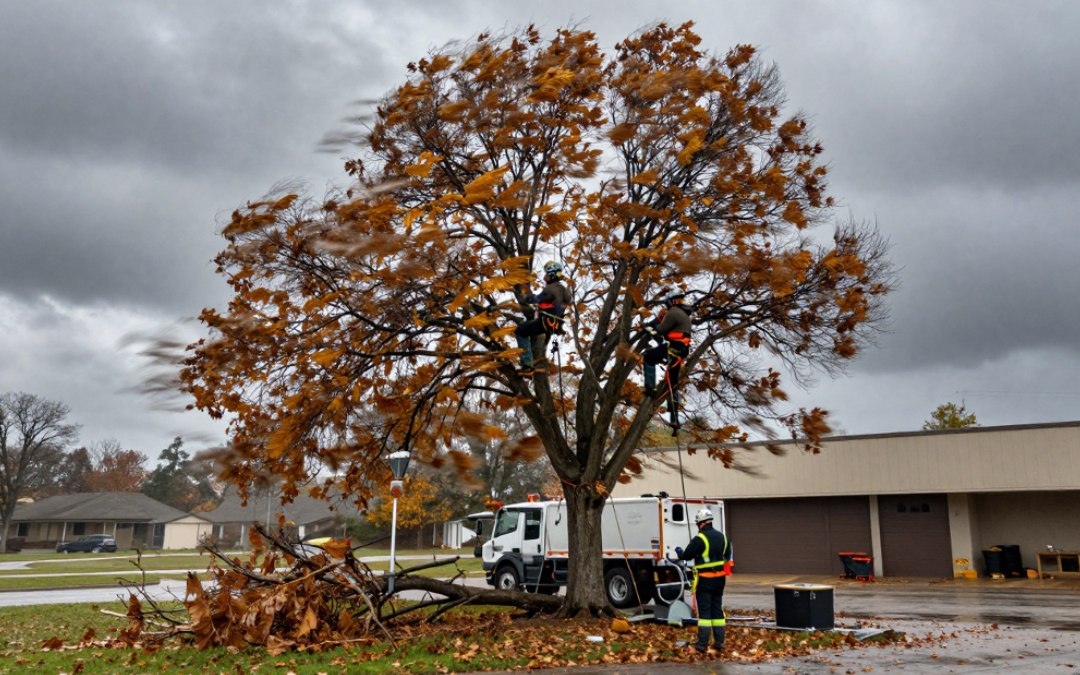
As weather patterns transition across Michigan, Indiana, Illinois, Minnesota, Iowa, and Wisconsin, October routinely brings high-wind events, early lake-effect systems, and sudden autumn windstorms. For commercial tree care businesses, severe weather creates an influx of emergency work. However, transporting heavy rigging gear, woodchippers, and harvested timber through treacherous roads and high winds elevates risk for your mobile assets.

Understanding how Commercial Auto and Inland Marine policies work together helps keep your mobile equipment, service vehicles, and crew financially protected throughout the storm season.

The Dual Exposure: Vehicles on the Road vs. Tools on the Job Site

Commercial tree care operations rely on two distinct categories of mobile property: vehicles designed for highway transport and specialized machinery used to perform arboricultural tasks. A standard commercial insurance setup separates these exposures into two primary coverages:

  1. Commercial Auto Insurance: Covers licensed road vehicles—such as bucket trucks, chip trucks, haulers, and utility pickups—against collision damage, third-party liability, and weather-related physical damage while driving on public roadways.
  2. Inland Marine (Equipment & Machinery) Coverage: Covers mobile tools and machinery—such as woodchippers, stump grinders, skid steers, chainsaws, and rigging gear—wherever they travel, whether secured in transit, parked at a job site, or stored in a yard.

Relying on Commercial Auto alone leaves a major gap: auto policies typically exclude the specialized equipment towed behind or carried inside your work trucks.

High-Wind Transport Risks and Insurance Protections

Autumn windstorms produce unpredictable hazards both during transit and while stationed at emergency storm response sites:

  • Trailer Sway and Rollover Damage: High crosswinds can destabilize trailers carrying heavy loads of timber or towed woodchippers, increasing the risk of jackknifing or highway collisions. Commercial Auto Physical Damage (Collision and Comprehensive) helps pay for repairs to the towing vehicle and trailer.
  • Falling Limbs and Debris on Work Trucks: Parked service trucks positioned under compromised trees during emergency limb removals can suffer heavy cab or windshield damage. Comprehensive Commercial Auto coverage addresses physical damage caused by falling objects and storm debris.
  • Equipment Damage in Transit: If a chipper or skid steer shifts, collides with debris, or suffers damage while being transported to a storm site, Inland Marine insurance steps in to repair or replace the equipment.

Key Policy Features Every Tree Care Business Should Review

Before autumn storm activity reaches its peak, commercial tree care business owners across the Midwest should review their current policy structures to verify complete protection:

  • Scheduled vs. Unscheduled Equipment Limits: High-value items like bucket trucks, cranes, and large woodchippers usually require specific scheduling on your Inland Marine or Commercial Auto policy. Smaller hand tools and chainsaws are typically covered under an unscheduled blanket limit.
  • Valuation Basis (Actual Cash Value vs. Replacement Cost): Determine whether your policy pays out based on depreciated value (Actual Cash Value) or the current cost to purchase new equivalent equipment (Replacement Cost).
  • Radius of Operation: Emergency storm response often takes crews across state lines. Verify that your Commercial Auto policy covers the full geographical distance your drivers travel across Michigan, Indiana, Illinois, Minnesota, Iowa, and Wisconsin.

Frequently Asked Questions

Does Commercial Auto insurance cover a towed woodchipper if it is damaged in a highway accident?

Standard Commercial Auto insurance covers physical damage to the towing truck and trailer, but it typically excludes the specialized machinery being towed. You need an Inland Marine (Equipment & Machinery) policy to cover the repair or replacement cost of the woodchipper itself.

What happens if a falling tree branch damages our bucket truck while parked at a job site?

Physical damage caused by falling limbs, windstorms, or severe weather to a parked work vehicle is covered under the Comprehensive coverage portion of your Commercial Auto policy.

Does Inland Marine insurance cover tools and equipment stolen from a job site during an emergency storm cleanup?

Yes, Inland Marine insurance (often called an Equipment Floater) provides mobile property coverage against theft, vandalism, fire, and collision loss whether your tools are in transit, locked in a truck, or actively in use on a job site.

Managing autumn windstorm cleanup requires fast response times and dependable equipment. Verifying that your mobile machinery and commercial fleet carry the right combination of Commercial Auto and Inland Marine coverage helps your tree service company handle emergency calls without taking on unmanageable financial risk.

To review your Commercial Auto and Inland Marine coverage limits or request a customized insurance proposal tailored to your Midwestern tree care business, contact us online or call Tree Trimmers Insurance, a division of John Scott Insurance, at (877) 810-8872.
Residential Tree Care Insurance: Essential Coverage for Home-Focused Tree Service Operations

October 8, 2026

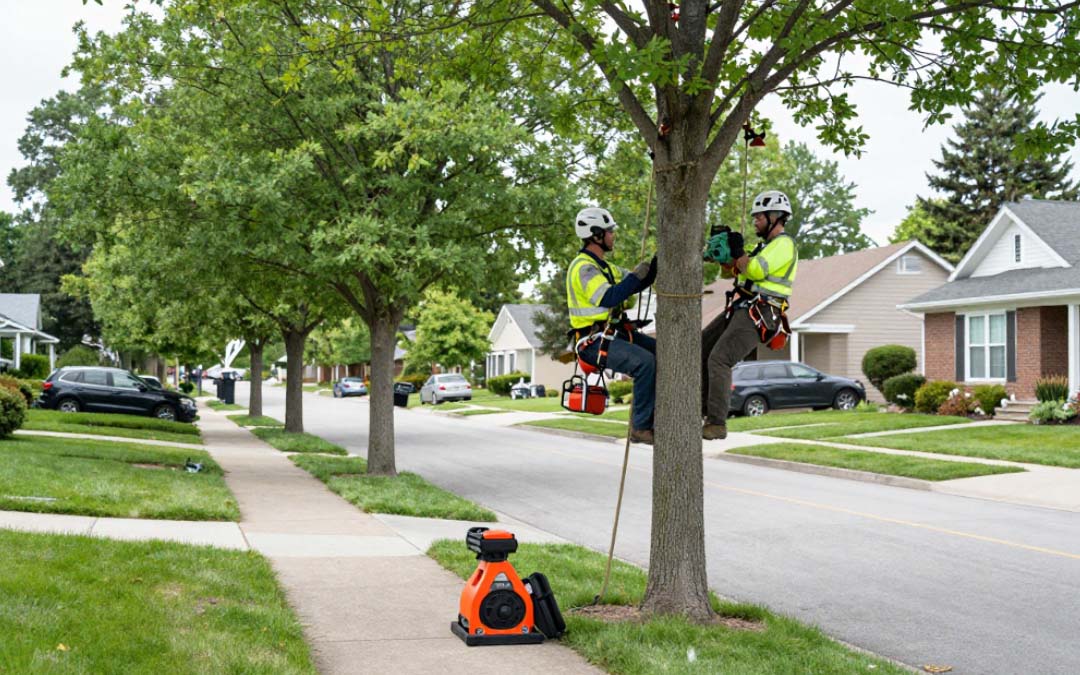
Running a tree service business that focuses solely on residential properties requires a unique approach to risk management. While residential jobs may not involve the large-scale land clearing or municipal road work of commercial projects, working near homes, garages, power drop lines, and manicured lawns introduces constant, high-frequency liability exposures. Understanding how commercial insurance is structured for residential tree trimmers across Michigan, Indiana, Illinois, Minnesota, Iowa, and Wisconsin helps business owners protect their company assets while satisfying homeowner expectations.

The Unique Risk Profile of Residential Tree Trimmers

Residential tree work brings crews into close quarters with high-value private property and household residents. Common operational hazards include:
  • Structural Proximity: Felling limbs or removing trees near roofs, gutters, solar panels, overhead utility drops, and neighboring properties increases the chance of property damage claims.
  • Property Access & Underground Utilities: Navigating tight backyard gates with skid steers, mini-excavators, or stump grinders can damage underground sprinkler systems, septic fields, or delicate landscaping features.
  • Homeowner & Visitor Foot Traffic: Unlike restricted commercial construction sites, residential yards often feature unexpected activity from homeowners, children, pets, or neighbors walking near active drop zones.

Core Insurance Policies for Residential Tree Service Companies

Even if your business never bids on a commercial contract, operating legally and sustainably in the Midwest requires a core portfolio of business insurance policies:
Commercial General Liability (CGL) Insurance
General liability is the foundation of residential tree care protection. It handles third-party claims alleging bodily injury or physical property damage caused by your operations. If a rigging line slips and a limb falls through a homeowner's picture window or damages a neighbor's parked car, General Liability helps pay for repairs, legal defense, and settlement costs.
Workers' Compensation Insurance
Residential tree work involves high-risk tasks like climbing, aerial lift operation, chainsaw usage, and heavy lifting. Workers' Compensation covers medical expenses, lost wages, and rehabilitation costs if a crew member suffers an injury on the job. Maintaining proper Workers' Comp is vital, as homeowner policies typically exclude coverage for hired contractors injured on their property.
Commercial Auto Insurance
Transporting crews, chippers, and hauling wood to and from residential driveways requires specialized commercial auto coverage. Personal auto policies explicitly exclude vehicles used for commercial tree service activities. Commercial Auto protects your bucket trucks, chip trucks, and trailers against collisions, liability claims, and weather-related damage.
Inland Marine (Equipment & Machinery) Insurance
Your specialized tools—chainsaws, stump grinders, rigging gear, and chippers—are mobile assets. Inland Marine coverage protects this equipment against theft, vandalism, fire, or damage while in transit or stored overnight at a residential job site.
Key Coverage Differences: Residential vs. Commercial Tree Care
Business owners shifting focus exclusively to residential properties should keep these key insurance distinctions in mind:
Coverage Consideration Residential Focus Commercial / Municipal Focus
Certificate Requirements Homeowners often request proof of insurance before signing a quote. Commercial entities require formal Certificates of Insurance (COI) naming them as Additional Insured.
Policy Limits Typical policy limits start at $1,000,000 / $2,000,000 General Liability limits. Higher baseline limits, often requiring $5,000,000+ Commercial Umbrella policies.
Property Damage Exposure High frequency of small-to-medium residential structure and property claims. High exposure to large-scale site incidents, utility disruption, and multi-vehicle traffic accidents.

Frequently Asked Questions

Do residential tree trimmers need general liability insurance if homeowners have their own home insurance?
Yes. A homeowner's insurance policy covers the property owner's personal liability, but it does not protect a independent tree service business. If your crew causes damage to a home or neighbor's property, your company's Commercial General Liability policy is primary for covering those repairs.
Can a residential tree care business operate using personal auto insurance for service trucks?
No. Personal auto policies exclude coverage for vehicles used in commercial business operations. Residential tree service businesses must carry a dedicated Commercial Auto policy to cover trucks, haulers, and trailers used to transport equipment and crews to residential job sites.
What general liability insurance limits should a residential tree trimming company carry?
Most residential tree care operations across Michigan, Indiana, Illinois, Minnesota, Iowa, and Wisconsin carry a General Liability policy with limits of $1,000,000 per occurrence / $2,000,000 aggregate. This provides adequate financial protection for typical home and yard risks. Focusing exclusively on residential tree care allows business owners to build strong local reputations, but working close to homes and private property requires reliable business insurance protection. Structuring your General Liability, Workers' Compensation, Commercial Auto, and Inland Marine policies correctly keeps your operations running smoothly through every season. To discuss your residential tree care insurance options or request a policy review tailored to your Midwestern business, contact Tree Trimmers Insurance, a division of John Scott Insurance, at (877) 810-8872.
CONTACT TREE TRIMMERS INSURANCE AGENCY

Toll Free: 877-810-8872

Fax: 206-338-4348

E-Mail: info@treetriminsurance.com

Address: 105 Commercial Street | Dowagiac, MI 49047

STATES WE SERVE
Michigan Indiana Illinois
Wisconsin Minnesota Iowa