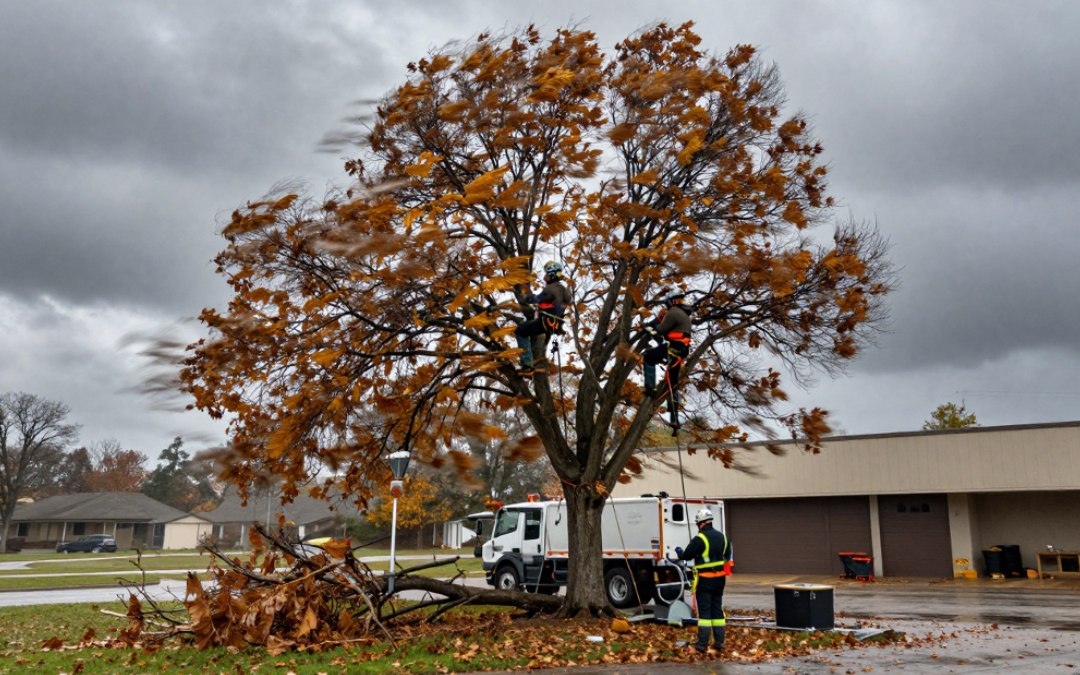
As weather patterns transition across Michigan, Indiana, Illinois, Minnesota, Iowa, and Wisconsin, October routinely brings high-wind events, early lake-effect systems, and sudden autumn windstorms. For commercial tree care businesses, severe weather creates an influx of emergency work. However, transporting heavy rigging gear, woodchippers, and harvested timber through treacherous roads and high winds elevates risk for your mobile assets.
Understanding how Commercial Auto and Inland Marine policies work together helps keep your mobile equipment, service vehicles, and crew financially protected throughout the storm season.
The Dual Exposure: Vehicles on the Road vs. Tools on the Job Site
Commercial tree care operations rely on two distinct categories of mobile property: vehicles designed for highway transport and specialized machinery used to perform arboricultural tasks. A standard commercial insurance setup separates these exposures into two primary coverages:
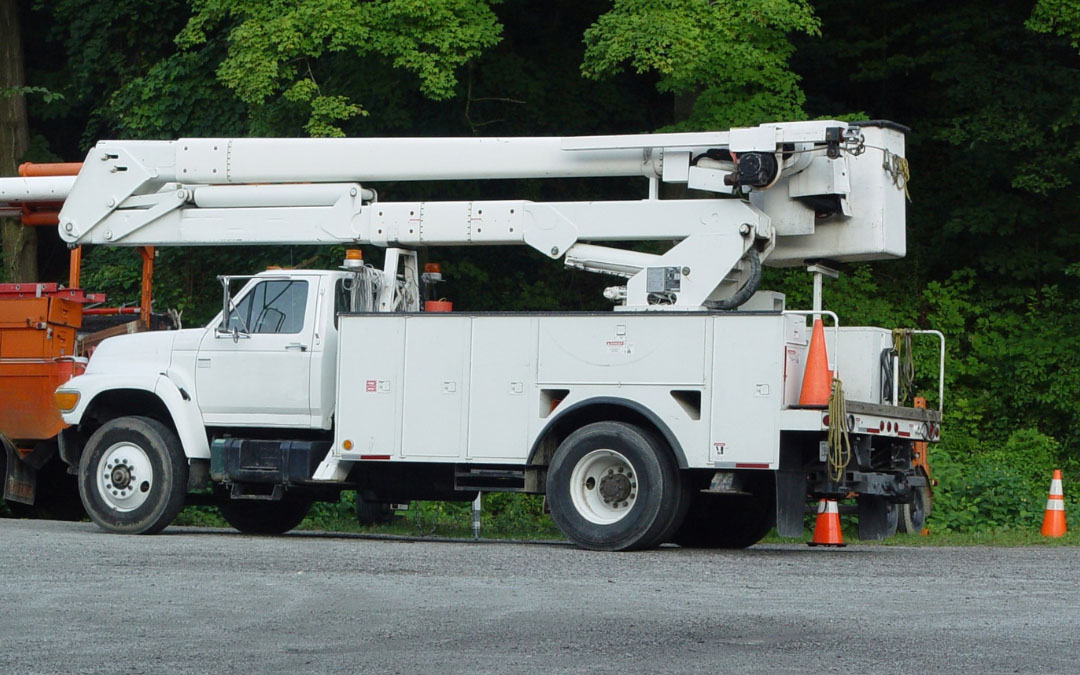
- Commercial Auto Insurance: Covers licensed road vehicles—such as bucket trucks, chip trucks, haulers, and utility pickups—against collision damage, third-party liability, and weather-related physical damage while driving on public roadways.
- Inland Marine (Equipment & Machinery) Coverage: Covers mobile tools and machinery—such as woodchippers, stump grinders, skid steers, chainsaws, and rigging gear—wherever they travel, whether secured in transit, parked at a job site, or stored in a yard.
Relying on Commercial Auto alone leaves a major gap: auto policies typically exclude the specialized equipment towed behind or carried inside your work trucks.
High-Wind Transport Risks and Insurance Protections
Autumn windstorms produce unpredictable hazards both during transit and while stationed at emergency storm response sites:
- Trailer Sway and Rollover Damage: High crosswinds can destabilize trailers carrying heavy loads of timber or towed woodchippers, increasing the risk of jackknifing or highway collisions. Commercial Auto Physical Damage (Collision and Comprehensive) helps pay for repairs to the towing vehicle and trailer.
- Falling Limbs and Debris on Work Trucks: Parked service trucks positioned under compromised trees during emergency limb removals can suffer heavy cab or windshield damage. Comprehensive Commercial Auto coverage addresses physical damage caused by falling objects and storm debris.
- Equipment Damage in Transit: If a chipper or skid steer shifts, collides with debris, or suffers damage while being transported to a storm site, Inland Marine insurance steps in to repair or replace the equipment.
Key Policy Features Every Tree Care Business Should Review
Before autumn storm activity reaches its peak, commercial tree care business owners across the Midwest should review their current policy structures to verify complete protection:
- Scheduled vs. Unscheduled Equipment Limits: High-value items like bucket trucks, cranes, and large woodchippers usually require specific scheduling on your Inland Marine or Commercial Auto policy. Smaller hand tools and chainsaws are typically covered under an unscheduled blanket limit.
- Valuation Basis (Actual Cash Value vs. Replacement Cost): Determine whether your policy pays out based on depreciated value (Actual Cash Value) or the current cost to purchase new equivalent equipment (Replacement Cost).
- Radius of Operation: Emergency storm response often takes crews across state lines. Verify that your Commercial Auto policy covers the full geographical distance your drivers travel across Michigan, Indiana, Illinois, Minnesota, Iowa, and Wisconsin.
Frequently Asked Questions
Does Commercial Auto insurance cover a towed woodchipper if it is damaged in a highway accident?
Standard Commercial Auto insurance covers physical damage to the towing truck and trailer, but it typically excludes the specialized machinery being towed. You need an Inland Marine (Equipment & Machinery) policy to cover the repair or replacement cost of the woodchipper itself.
What happens if a falling tree branch damages our bucket truck while parked at a job site?
Physical damage caused by falling limbs, windstorms, or severe weather to a parked work vehicle is covered under the Comprehensive coverage portion of your Commercial Auto policy.
Does Inland Marine insurance cover tools and equipment stolen from a job site during an emergency storm cleanup?
Yes, Inland Marine insurance (often called an Equipment Floater) provides mobile property coverage against theft, vandalism, fire, and collision loss whether your tools are in transit, locked in a truck, or actively in use on a job site.
Managing autumn windstorm cleanup requires fast response times and dependable equipment. Verifying that your mobile machinery and commercial fleet carry the right combination of Commercial Auto and Inland Marine coverage helps your tree service company handle emergency calls without taking on unmanageable financial risk.
To review your Commercial Auto and Inland Marine coverage limits or request a customized insurance proposal tailored to your Midwestern tree care business, contact us online or call Tree Trimmers Insurance, a division of John Scott Insurance, at (877) 810-8872.