
See How Much YOU Can Save - Call Today For A FREE Quote (877) 810-8872

Navigating Autumn Windstorms: What Commercial Auto and Inland Marine Policies Cover

October 21, 2026

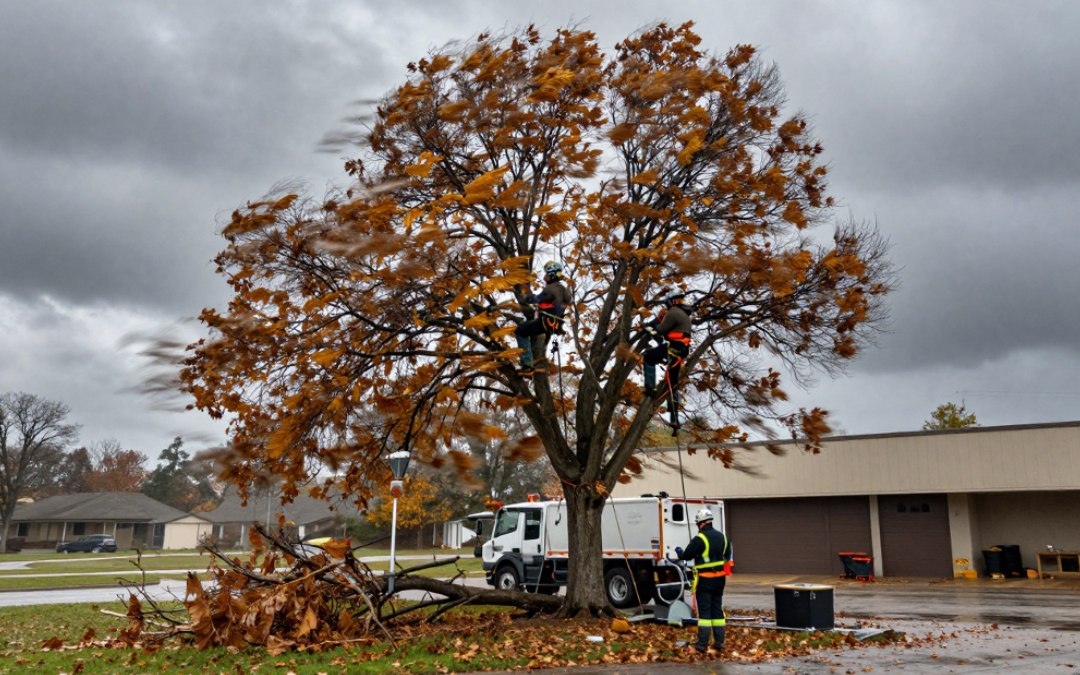
As weather patterns transition across Michigan, Indiana, Illinois, Minnesota, Iowa, and Wisconsin, October routinely brings high-wind events, early lake-effect systems, and sudden autumn windstorms. For commercial tree care businesses, severe weather creates an influx of emergency work. However, transporting heavy rigging gear, woodchippers, and harvested timber through treacherous roads and high winds elevates risk for your mobile assets.

Understanding how Commercial Auto and Inland Marine policies work together helps keep your mobile equipment, service vehicles, and crew financially protected throughout the storm season.

The Dual Exposure: Vehicles on the Road vs. Tools on the Job Site

Commercial tree care operations rely on two distinct categories of mobile property: vehicles designed for highway transport and specialized machinery used to perform arboricultural tasks. A standard commercial insurance setup separates these exposures into two primary coverages:

  1. Commercial Auto Insurance: Covers licensed road vehicles—such as bucket trucks, chip trucks, haulers, and utility pickups—against collision damage, third-party liability, and weather-related physical damage while driving on public roadways.
  2. Inland Marine (Equipment & Machinery) Coverage: Covers mobile tools and machinery—such as woodchippers, stump grinders, skid steers, chainsaws, and rigging gear—wherever they travel, whether secured in transit, parked at a job site, or stored in a yard.

Relying on Commercial Auto alone leaves a major gap: auto policies typically exclude the specialized equipment towed behind or carried inside your work trucks.

High-Wind Transport Risks and Insurance Protections

Autumn windstorms produce unpredictable hazards both during transit and while stationed at emergency storm response sites:

  • Trailer Sway and Rollover Damage: High crosswinds can destabilize trailers carrying heavy loads of timber or towed woodchippers, increasing the risk of jackknifing or highway collisions. Commercial Auto Physical Damage (Collision and Comprehensive) helps pay for repairs to the towing vehicle and trailer.
  • Falling Limbs and Debris on Work Trucks: Parked service trucks positioned under compromised trees during emergency limb removals can suffer heavy cab or windshield damage. Comprehensive Commercial Auto coverage addresses physical damage caused by falling objects and storm debris.
  • Equipment Damage in Transit: If a chipper or skid steer shifts, collides with debris, or suffers damage while being transported to a storm site, Inland Marine insurance steps in to repair or replace the equipment.

Key Policy Features Every Tree Care Business Should Review

Before autumn storm activity reaches its peak, commercial tree care business owners across the Midwest should review their current policy structures to verify complete protection:

  • Scheduled vs. Unscheduled Equipment Limits: High-value items like bucket trucks, cranes, and large woodchippers usually require specific scheduling on your Inland Marine or Commercial Auto policy. Smaller hand tools and chainsaws are typically covered under an unscheduled blanket limit.
  • Valuation Basis (Actual Cash Value vs. Replacement Cost): Determine whether your policy pays out based on depreciated value (Actual Cash Value) or the current cost to purchase new equivalent equipment (Replacement Cost).
  • Radius of Operation: Emergency storm response often takes crews across state lines. Verify that your Commercial Auto policy covers the full geographical distance your drivers travel across Michigan, Indiana, Illinois, Minnesota, Iowa, and Wisconsin.

Frequently Asked Questions

Does Commercial Auto insurance cover a towed woodchipper if it is damaged in a highway accident?

Standard Commercial Auto insurance covers physical damage to the towing truck and trailer, but it typically excludes the specialized machinery being towed. You need an Inland Marine (Equipment & Machinery) policy to cover the repair or replacement cost of the woodchipper itself.

What happens if a falling tree branch damages our bucket truck while parked at a job site?

Physical damage caused by falling limbs, windstorms, or severe weather to a parked work vehicle is covered under the Comprehensive coverage portion of your Commercial Auto policy.

Does Inland Marine insurance cover tools and equipment stolen from a job site during an emergency storm cleanup?

Yes, Inland Marine insurance (often called an Equipment Floater) provides mobile property coverage against theft, vandalism, fire, and collision loss whether your tools are in transit, locked in a truck, or actively in use on a job site.

Managing autumn windstorm cleanup requires fast response times and dependable equipment. Verifying that your mobile machinery and commercial fleet carry the right combination of Commercial Auto and Inland Marine coverage helps your tree service company handle emergency calls without taking on unmanageable financial risk.

To review your Commercial Auto and Inland Marine coverage limits or request a customized insurance proposal tailored to your Midwestern tree care business, contact us online or call Tree Trimmers Insurance, a division of John Scott Insurance, at (877) 810-8872.
Transporting Heavy Timber: Trailer Loading Safety and Commercial Auto Limits

October 1, 2026

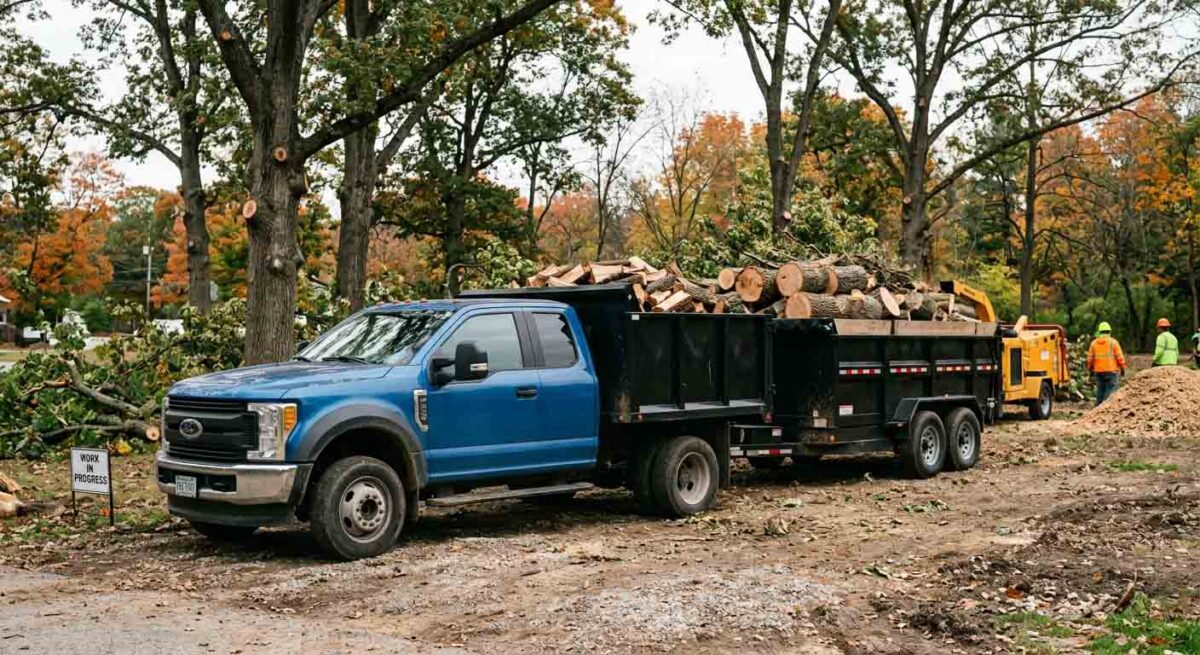
Operating a commercial tree care company across Michigan, Indiana, Illinois, Minnesota, Iowa, and Wisconsin means your crew and equipment are constantly on the move. Whether you are hauling a loaded dump trailer out of a residential neighborhood in Grand Rapids, moving a log splitter between rural jobs in Iowa, or crossing state lines for a major storm cleanup in Minnesota, transport safety is a critical part of daily operations.

When your trucks and trailers are loaded down with heavy timber, brush, and commercial-grade machinery, understanding your commercial auto policy limits and cargo protection is vital to keeping your business moving forward.

The Hidden Hazards of Transporting Heavy Timber

Transporting raw timber and oversized brush places immense strain on your vehicles, hitches, and trailers. Unlike standard cargo, logs shift, settle, and can dramatically alter vehicle handling while in transit.

  • Weight Distribution Challenges: An improperly loaded dump trailer can cause tongue weight issues, leading to sway, reduced braking efficiency, and loss of control on slick Midwestern highways.
  • Securing Heavy Loads: Logs and heavy rounds require heavy-duty tie-downs, chains, and rated binders to prevent shifting during sudden stops or sharp turns.
  • State-to-State Compliance: Because regional tree service operations frequently travel across state lines, drivers must stay compliant with varying regional Department of Transportation (DOT) regulations regarding weight limits, securement standards, and trailer lighting.

How Commercial Auto and Inland Marine Limits Protect Your Fleet

Your trucks and trailers are the engines of your daily revenue. If a loaded trailer jackknifes on an icy Wisconsin interstate or a secured log breaks loose and damages a commercial vehicle, the financial fallout can stall your business.

Reviewing your policy structure ensures your operations remain fully protected:

  • Commercial Auto Physical Damage: Covers repairs or replacement for your primary tow vehicles and trailers if they are involved in a collision or transit accident.
  • Motor Truck Cargo / Inland Marine Coverage: Standard auto policies often have limitations when it comes to the actual timber, equipment, and specialized gear being hauled. Dedicated inland marine protection helps cover tools, chainsaws, rigging gear, and machinery while in transit or on job sites.
  • Non-Owned and Hired Auto: Essential if your crew utilizes personal trucks or rented equipment to haul debris during peak seasonal surges.

Best Practices for Safe Trailer Loading and Transit

Implementing strict loading protocols protects your drivers, reduces wear and tear on your fleet, and keeps your commercial insurance loss runs clean.

  1. Calculate Weight Ratings: Never exceed the Gross Vehicle Weight Rating (GVWR) of your trucks and trailers. Overloaded trailers increase braking distances significantly.
  2. Center the Load: Distribute the heaviest timber over the axles rather than loading all weight toward the front or rear of the trailer bed.
  3. Inspect Tie-Downs Regularly: Check chains, straps, and winch binders before every trip. Weather exposure and heavy timber can cause premature wear on tie-down hardware.
  4. Account for Shifting: Remember that wood loses moisture and shifts as it dries; a load that is secure in the morning may require re-tensioning by the afternoon.

Protect Your Fleet with Tree Trimmers Insurance

Operating a regional tree service requires specialized protection built for the unique demands of arboriculture and land clearing. At Tree Trimmers Insurance, a Division of John Scott Insurance, we understand the operational realities of hauling heavy timber and equipment across Michigan and throughout the Midwest.

Based in Dowagiac, Michigan, our team provides targeted commercial policies designed to match your fleet size and geographic footprint. Call us today at (877) 810-8872 for a free quote, or visit our office at 105 Commercial Street to review your coverage options.

Is Your Tree Service Equipment Covered? | Dowagiac, MI Insurance Guide

August 21, 2026

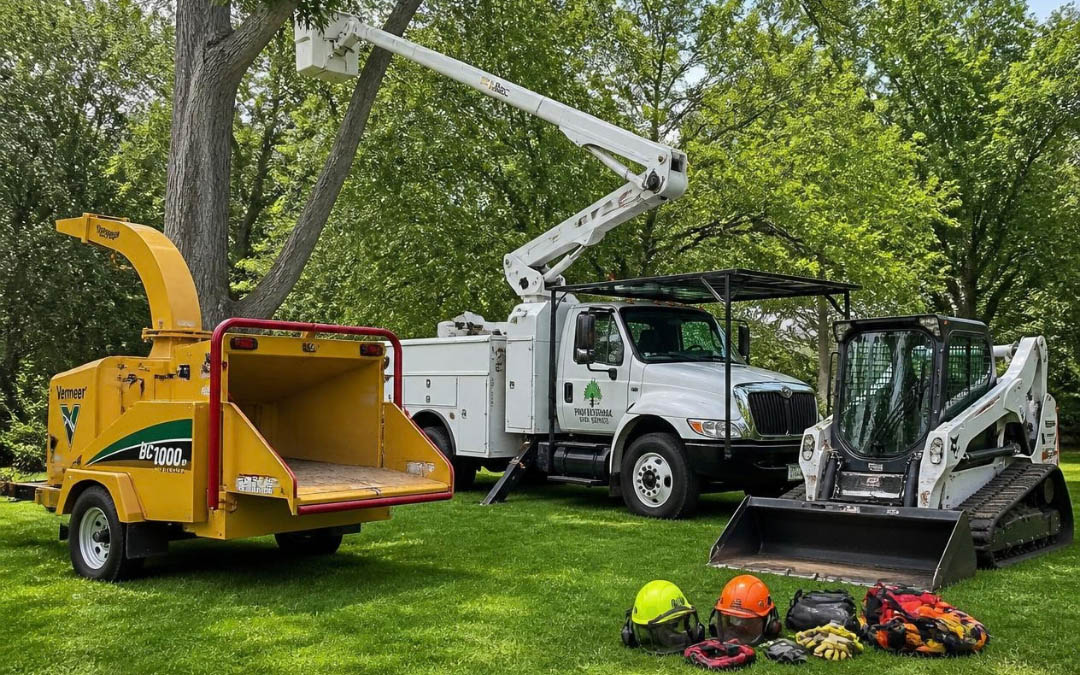
Your equipment is the engine of your business. Between woodchippers, stump grinders, skid steers, loaders, chainsaws, and specialized rigging gear, a tree care operation can easily haul hundreds of thousands of dollars in machinery on a single trailer.

When a critical piece of equipment is stolen from a job site or damaged in transit, the financial loss goes beyond the cost of repairs. Without functional machinery, your crew cannot complete jobs, leading to costly operational downtime.

This raises a crucial question for arborists and tree service owners across Southwest Michigan: Is all of your equipment listed and covered properly on your commercial policy?

Step 1: Build an Accurate Equipment Inventory

A thorough policy review begins with a clear inventory. Tree service business owners in Dowagiac and surrounding areas should maintain a current record of all operational assets, including:

    • Year, make, and model
    • Serial numbers / VINs
    • Purchase price and current estimated market value
    • Specialized attachments (grapples, buckets, winches)

Did you purchase another chipper this season? Did you add a stump grinder, upgrade a loader, or buy high-value climbing gear?

If your insurance representative does not have a record of a newly acquired asset, that machinery may be omitted from your policy schedules.

Step 2: Commercial Property vs. Inland Marine Coverage

Standard commercial property insurance primarily addresses assets kept at a fixed physical location, such as your shop or yard.

Tree service machinery, however, is constantly on the move. Your gear travels from your shop in Dowagiac to residential or commercial job sites throughout Cass County, Berrien County, and Van Buren County. It may sit on a trailer overnight or move between multiple work locations during the day.

Because mobile machinery faces different hazards than fixed property, Inland Marine Insurance (often referred to as Contractors Equipment Coverage) is specifically structured to address mobile equipment, tools, and machinery while in transit or on active job sites.

Step 3: Towing vs. Physical Damage (Commercial Auto Misconceptions)

A common point of confusion involves towed machinery. Many business owners assume that because a woodchipper or stump grinder is hitched to an insured work truck, the truck’s Commercial Auto policy automatically covers damage to or theft of the towed unit.

In reality, Commercial Auto Insurance and Contractors Equipment Coverage serve distinct purposes:

    • Commercial Auto Insurance generally addresses liability and physical damage related to the motor vehicle itself.
    • Trailers, Chippers, and Mobile Machinery often require separate scheduled coverage or specific endorsements to address theft, rollover, or accidental physical damage.

Reviewing your trucks, trailers, and heavy equipment together clarifies which specific policy applies to each asset.

Critical Questions to Review on Your Current Policy

When assessing your machinery and tool coverage, review the following details within your policy documents:

    1. Scheduled vs. Unscheduled: Is high-value machinery specifically listed on an equipment schedule?
    2. Valuation Method: Is coverage structured around Replacement Cost or Actual Cash Value (ACV)?
    3. Deductible Structure: What deductible applies to total losses versus partial equipment damage?
    4. Theft Exclusions: Are there specific lock or security requirements for equipment left on job sites or open trailers overnight?
    5. Transit Coverage: Are items covered while actively being transported on local roads and highways?
    6. Rented or Borrowed Gear: How does your policy respond if you rent a specialized boom truck or loader for a large job?
    7. Accessories & Attachments: Are expensive add-ons (like specialized grapple buckets or remote controls) included in the total value?

Policy forms, terms, conditions, and exclusions vary significantly. Reviewing the specific policy provisions helps avoid unexpected gaps during a claim.

Keep Your Policy Up to Date

As tree companies grow, they acquire, upgrade, or trade in equipment to handle larger contracts. Insurance updates should occur alongside these business purchases.

Make it a standard operational process to inform your insurance representative whenever you buy, sell, lease, or retire major machinery.

Commercial Insurance for Tree Care Professionals in Dowagiac, MI

Tree Trimmers Insurance Agency, a division of John Scott Insurance, works directly with tree care, arborist, and land-clearing operations in Dowagiac, Cassopolis, Niles, Benton Harbor, St. Joseph, and across Southwest Michigan.

We focus on the unique operational hazards of the tree care industry. Contact Tree Trimmers Insurance Agency today to schedule an equipment inventory and commercial policy review for your business.

Request a Tree Service Equipment Policy Review

CONTACT TREE TRIMMERS INSURANCE AGENCY

Toll Free: 877-810-8872

Fax: 206-338-4348

E-Mail: info@treetriminsurance.com

Address: 105 Commercial Street | Dowagiac, MI 49047

STATES WE SERVE
Michigan Indiana Illinois
Wisconsin Minnesota Iowa