See How Much YOU Can Save - Call Today For A FREE Quote (877) 810-8872

Navigating Autumn Windstorms: What Commercial Auto and Inland Marine Policies Cover

October 21, 2026

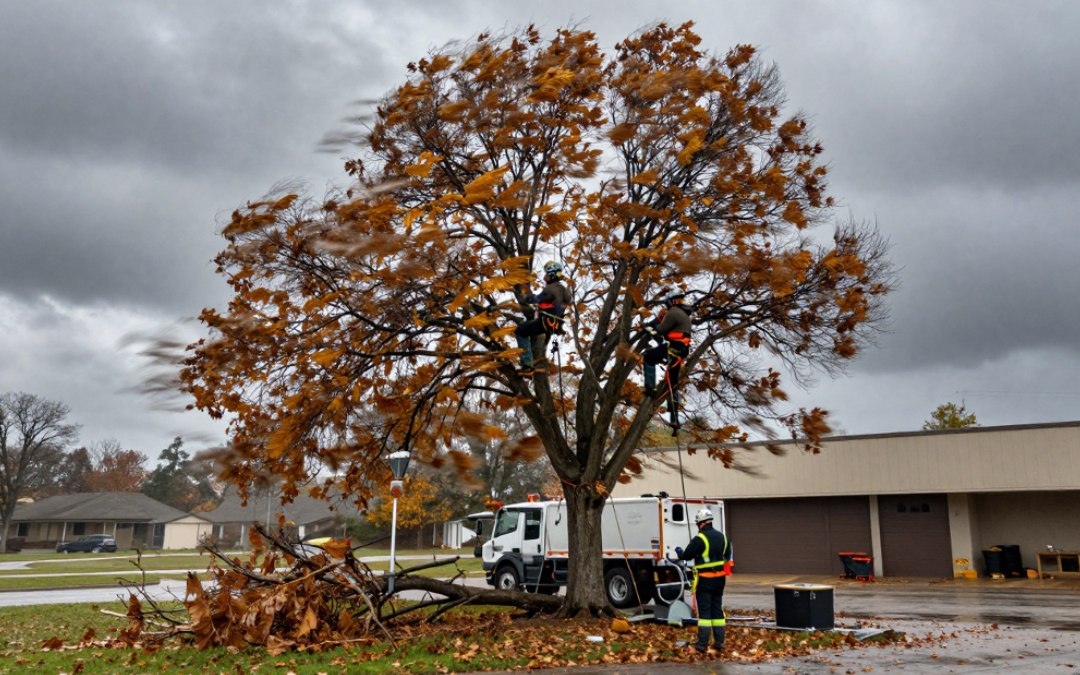
As weather patterns transition across Michigan, Indiana, Illinois, Minnesota, Iowa, and Wisconsin, October routinely brings high-wind events, early lake-effect systems, and sudden autumn windstorms. For commercial tree care businesses, severe weather creates an influx of emergency work. However, transporting heavy rigging gear, woodchippers, and harvested timber through treacherous roads and high winds elevates risk for your mobile assets.

Understanding how Commercial Auto and Inland Marine policies work together helps keep your mobile equipment, service vehicles, and crew financially protected throughout the storm season.

The Dual Exposure: Vehicles on the Road vs. Tools on the Job Site

Commercial tree care operations rely on two distinct categories of mobile property: vehicles designed for highway transport and specialized machinery used to perform arboricultural tasks. A standard commercial insurance setup separates these exposures into two primary coverages:

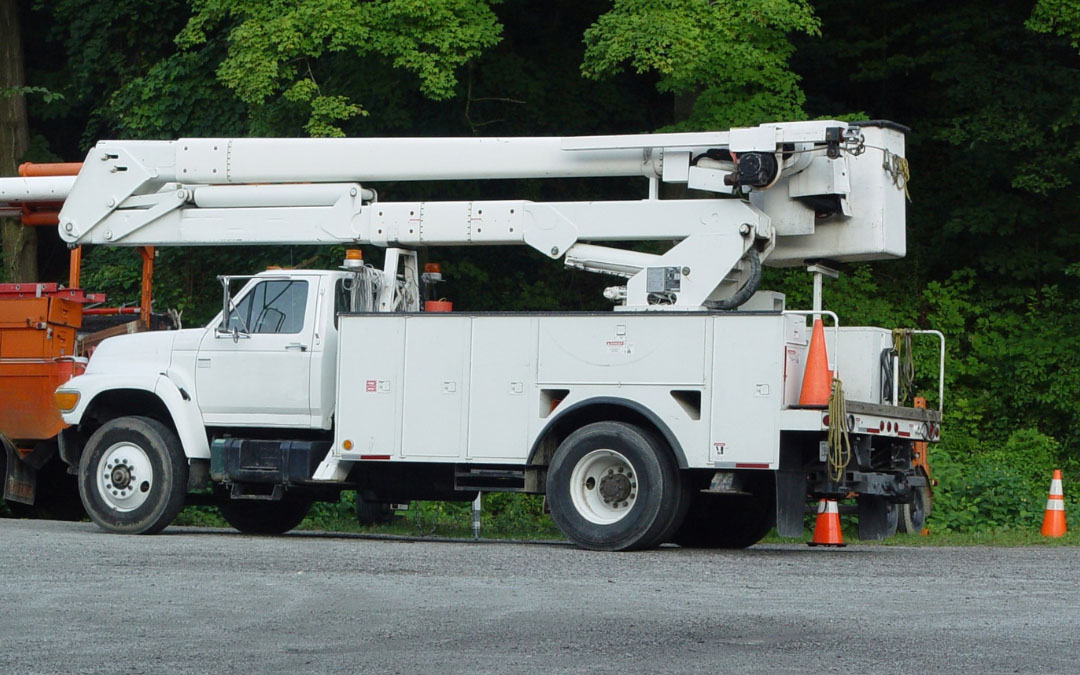
  1. Commercial Auto Insurance: Covers licensed road vehicles—such as bucket trucks, chip trucks, haulers, and utility pickups—against collision damage, third-party liability, and weather-related physical damage while driving on public roadways.
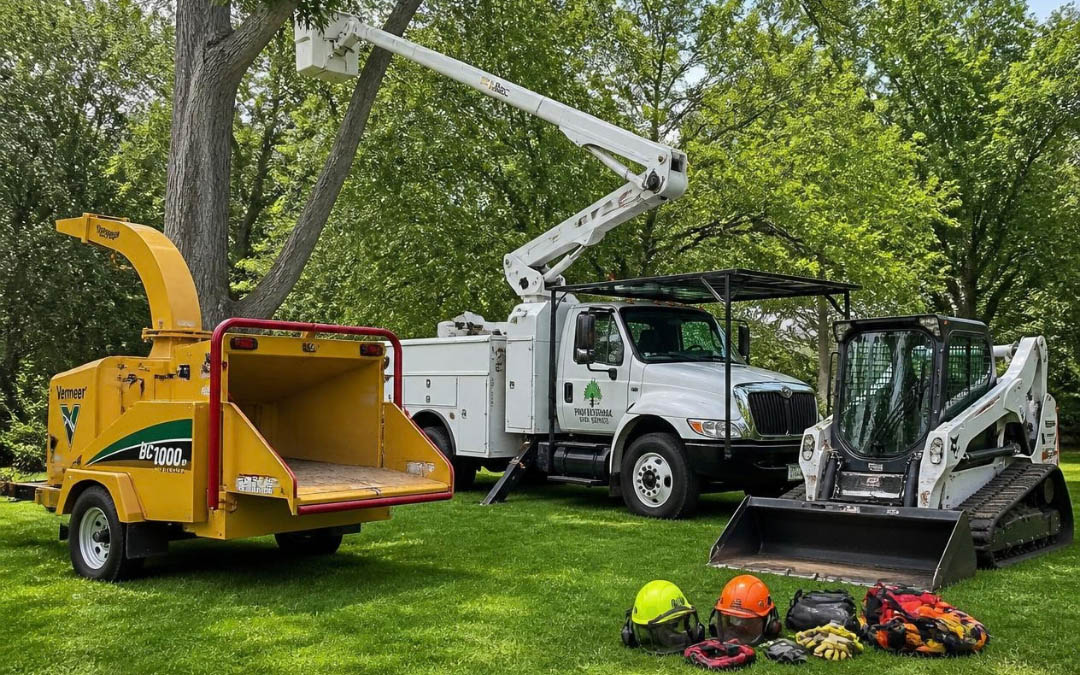
  2. Inland Marine (Equipment & Machinery) Coverage: Covers mobile tools and machinery—such as woodchippers, stump grinders, skid steers, chainsaws, and rigging gear—wherever they travel, whether secured in transit, parked at a job site, or stored in a yard.

Relying on Commercial Auto alone leaves a major gap: auto policies typically exclude the specialized equipment towed behind or carried inside your work trucks.

High-Wind Transport Risks and Insurance Protections

Autumn windstorms produce unpredictable hazards both during transit and while stationed at emergency storm response sites:

  • Trailer Sway and Rollover Damage: High crosswinds can destabilize trailers carrying heavy loads of timber or towed woodchippers, increasing the risk of jackknifing or highway collisions. Commercial Auto Physical Damage (Collision and Comprehensive) helps pay for repairs to the towing vehicle and trailer.
  • Falling Limbs and Debris on Work Trucks: Parked service trucks positioned under compromised trees during emergency limb removals can suffer heavy cab or windshield damage. Comprehensive Commercial Auto coverage addresses physical damage caused by falling objects and storm debris.
  • Equipment Damage in Transit: If a chipper or skid steer shifts, collides with debris, or suffers damage while being transported to a storm site, Inland Marine insurance steps in to repair or replace the equipment.

Key Policy Features Every Tree Care Business Should Review

Before autumn storm activity reaches its peak, commercial tree care business owners across the Midwest should review their current policy structures to verify complete protection:

  • Scheduled vs. Unscheduled Equipment Limits: High-value items like bucket trucks, cranes, and large woodchippers usually require specific scheduling on your Inland Marine or Commercial Auto policy. Smaller hand tools and chainsaws are typically covered under an unscheduled blanket limit.
  • Valuation Basis (Actual Cash Value vs. Replacement Cost): Determine whether your policy pays out based on depreciated value (Actual Cash Value) or the current cost to purchase new equivalent equipment (Replacement Cost).
  • Radius of Operation: Emergency storm response often takes crews across state lines. Verify that your Commercial Auto policy covers the full geographical distance your drivers travel across Michigan, Indiana, Illinois, Minnesota, Iowa, and Wisconsin.

Frequently Asked Questions

Does Commercial Auto insurance cover a towed woodchipper if it is damaged in a highway accident?

Standard Commercial Auto insurance covers physical damage to the towing truck and trailer, but it typically excludes the specialized machinery being towed. You need an Inland Marine (Equipment & Machinery) policy to cover the repair or replacement cost of the woodchipper itself.

What happens if a falling tree branch damages our bucket truck while parked at a job site?

Physical damage caused by falling limbs, windstorms, or severe weather to a parked work vehicle is covered under the Comprehensive coverage portion of your Commercial Auto policy.

Does Inland Marine insurance cover tools and equipment stolen from a job site during an emergency storm cleanup?

Yes, Inland Marine insurance (often called an Equipment Floater) provides mobile property coverage against theft, vandalism, fire, and collision loss whether your tools are in transit, locked in a truck, or actively in use on a job site.

Managing autumn windstorm cleanup requires fast response times and dependable equipment. Verifying that your mobile machinery and commercial fleet carry the right combination of Commercial Auto and Inland Marine coverage helps your tree service company handle emergency calls without taking on unmanageable financial risk.

To review your Commercial Auto and Inland Marine coverage limits or request a customized insurance proposal tailored to your Midwestern tree care business, contact us online or call Tree Trimmers Insurance, a division of John Scott Insurance, at (877) 810-8872.
Residential Tree Care Insurance: Essential Coverage for Home-Focused Tree Service Operations

October 8, 2026

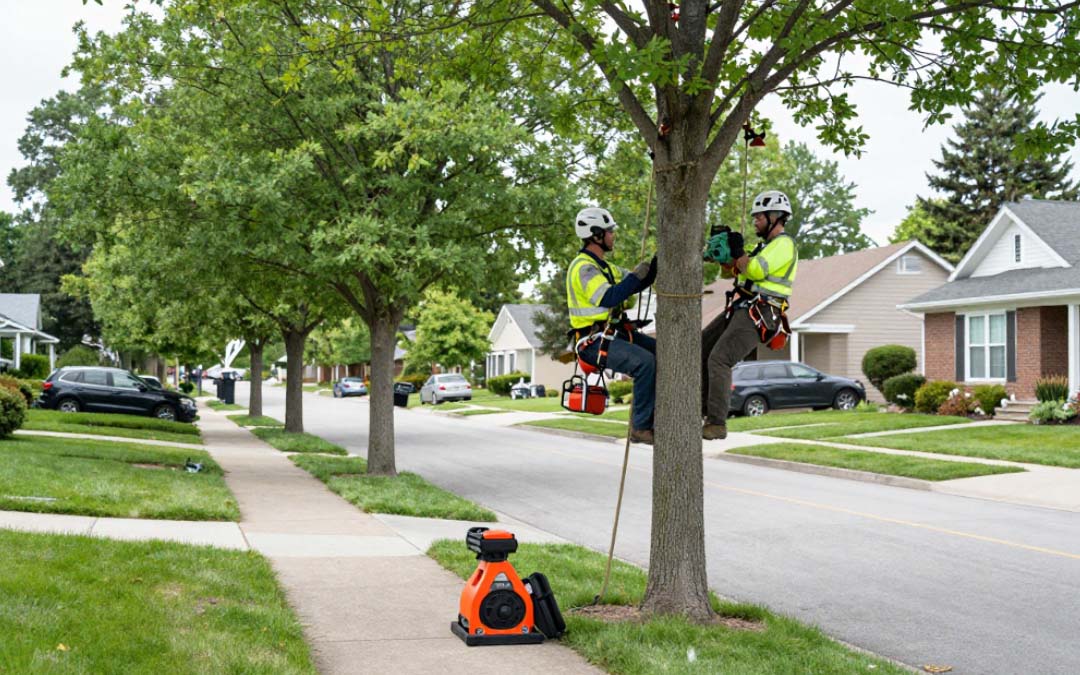
Running a tree service business that focuses solely on residential properties requires a unique approach to risk management. While residential jobs may not involve the large-scale land clearing or municipal road work of commercial projects, working near homes, garages, power drop lines, and manicured lawns introduces constant, high-frequency liability exposures. Understanding how commercial insurance is structured for residential tree trimmers across Michigan, Indiana, Illinois, Minnesota, Iowa, and Wisconsin helps business owners protect their company assets while satisfying homeowner expectations.

The Unique Risk Profile of Residential Tree Trimmers

Residential tree work brings crews into close quarters with high-value private property and household residents. Common operational hazards include:
  • Structural Proximity: Felling limbs or removing trees near roofs, gutters, solar panels, overhead utility drops, and neighboring properties increases the chance of property damage claims.
  • Property Access & Underground Utilities: Navigating tight backyard gates with skid steers, mini-excavators, or stump grinders can damage underground sprinkler systems, septic fields, or delicate landscaping features.
  • Homeowner & Visitor Foot Traffic: Unlike restricted commercial construction sites, residential yards often feature unexpected activity from homeowners, children, pets, or neighbors walking near active drop zones.

Core Insurance Policies for Residential Tree Service Companies

Even if your business never bids on a commercial contract, operating legally and sustainably in the Midwest requires a core portfolio of business insurance policies:
Commercial General Liability (CGL) Insurance
General liability is the foundation of residential tree care protection. It handles third-party claims alleging bodily injury or physical property damage caused by your operations. If a rigging line slips and a limb falls through a homeowner's picture window or damages a neighbor's parked car, General Liability helps pay for repairs, legal defense, and settlement costs.
Workers' Compensation Insurance
Residential tree work involves high-risk tasks like climbing, aerial lift operation, chainsaw usage, and heavy lifting. Workers' Compensation covers medical expenses, lost wages, and rehabilitation costs if a crew member suffers an injury on the job. Maintaining proper Workers' Comp is vital, as homeowner policies typically exclude coverage for hired contractors injured on their property.
Commercial Auto Insurance
Transporting crews, chippers, and hauling wood to and from residential driveways requires specialized commercial auto coverage. Personal auto policies explicitly exclude vehicles used for commercial tree service activities. Commercial Auto protects your bucket trucks, chip trucks, and trailers against collisions, liability claims, and weather-related damage.
Inland Marine (Equipment & Machinery) Insurance
Your specialized tools—chainsaws, stump grinders, rigging gear, and chippers—are mobile assets. Inland Marine coverage protects this equipment against theft, vandalism, fire, or damage while in transit or stored overnight at a residential job site.
Key Coverage Differences: Residential vs. Commercial Tree Care
Business owners shifting focus exclusively to residential properties should keep these key insurance distinctions in mind:
Coverage Consideration Residential Focus Commercial / Municipal Focus
Certificate Requirements Homeowners often request proof of insurance before signing a quote. Commercial entities require formal Certificates of Insurance (COI) naming them as Additional Insured.
Policy Limits Typical policy limits start at $1,000,000 / $2,000,000 General Liability limits. Higher baseline limits, often requiring $5,000,000+ Commercial Umbrella policies.
Property Damage Exposure High frequency of small-to-medium residential structure and property claims. High exposure to large-scale site incidents, utility disruption, and multi-vehicle traffic accidents.

Frequently Asked Questions

Do residential tree trimmers need general liability insurance if homeowners have their own home insurance?
Yes. A homeowner's insurance policy covers the property owner's personal liability, but it does not protect a independent tree service business. If your crew causes damage to a home or neighbor's property, your company's Commercial General Liability policy is primary for covering those repairs.
Can a residential tree care business operate using personal auto insurance for service trucks?
No. Personal auto policies exclude coverage for vehicles used in commercial business operations. Residential tree service businesses must carry a dedicated Commercial Auto policy to cover trucks, haulers, and trailers used to transport equipment and crews to residential job sites.
What general liability insurance limits should a residential tree trimming company carry?
Most residential tree care operations across Michigan, Indiana, Illinois, Minnesota, Iowa, and Wisconsin carry a General Liability policy with limits of $1,000,000 per occurrence / $2,000,000 aggregate. This provides adequate financial protection for typical home and yard risks. Focusing exclusively on residential tree care allows business owners to build strong local reputations, but working close to homes and private property requires reliable business insurance protection. Structuring your General Liability, Workers' Compensation, Commercial Auto, and Inland Marine policies correctly keeps your operations running smoothly through every season. To discuss your residential tree care insurance options or request a policy review tailored to your Midwestern business, contact Tree Trimmers Insurance, a division of John Scott Insurance, at (877) 810-8872.
Transporting Heavy Timber: Trailer Loading Safety and Commercial Auto Limits

October 1, 2026

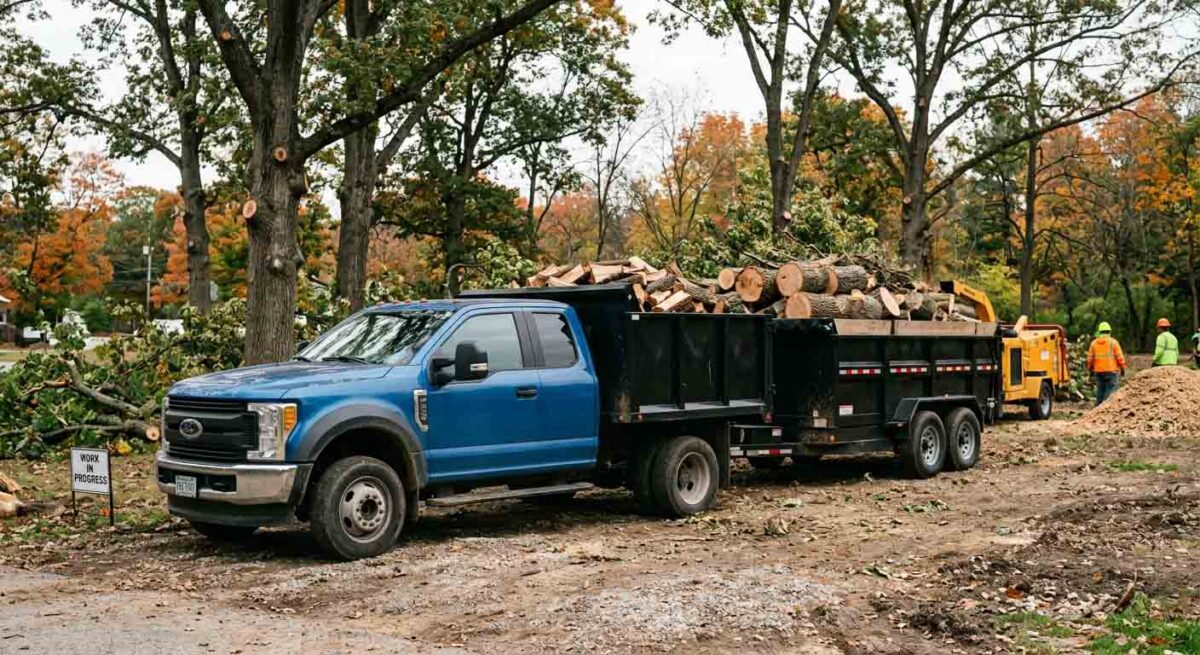
Operating a commercial tree care company across Michigan, Indiana, Illinois, Minnesota, Iowa, and Wisconsin means your crew and equipment are constantly on the move. Whether you are hauling a loaded dump trailer out of a residential neighborhood in Grand Rapids, moving a log splitter between rural jobs in Iowa, or crossing state lines for a major storm cleanup in Minnesota, transport safety is a critical part of daily operations.

When your trucks and trailers are loaded down with heavy timber, brush, and commercial-grade machinery, understanding your commercial auto policy limits and cargo protection is vital to keeping your business moving forward.

The Hidden Hazards of Transporting Heavy Timber

Transporting raw timber and oversized brush places immense strain on your vehicles, hitches, and trailers. Unlike standard cargo, logs shift, settle, and can dramatically alter vehicle handling while in transit.

  • Weight Distribution Challenges: An improperly loaded dump trailer can cause tongue weight issues, leading to sway, reduced braking efficiency, and loss of control on slick Midwestern highways.
  • Securing Heavy Loads: Logs and heavy rounds require heavy-duty tie-downs, chains, and rated binders to prevent shifting during sudden stops or sharp turns.
  • State-to-State Compliance: Because regional tree service operations frequently travel across state lines, drivers must stay compliant with varying regional Department of Transportation (DOT) regulations regarding weight limits, securement standards, and trailer lighting.

How Commercial Auto and Inland Marine Limits Protect Your Fleet

Your trucks and trailers are the engines of your daily revenue. If a loaded trailer jackknifes on an icy Wisconsin interstate or a secured log breaks loose and damages a commercial vehicle, the financial fallout can stall your business.

Reviewing your policy structure ensures your operations remain fully protected:

  • Commercial Auto Physical Damage: Covers repairs or replacement for your primary tow vehicles and trailers if they are involved in a collision or transit accident.
  • Motor Truck Cargo / Inland Marine Coverage: Standard auto policies often have limitations when it comes to the actual timber, equipment, and specialized gear being hauled. Dedicated inland marine protection helps cover tools, chainsaws, rigging gear, and machinery while in transit or on job sites.
  • Non-Owned and Hired Auto: Essential if your crew utilizes personal trucks or rented equipment to haul debris during peak seasonal surges.

Best Practices for Safe Trailer Loading and Transit

Implementing strict loading protocols protects your drivers, reduces wear and tear on your fleet, and keeps your commercial insurance loss runs clean.

  1. Calculate Weight Ratings: Never exceed the Gross Vehicle Weight Rating (GVWR) of your trucks and trailers. Overloaded trailers increase braking distances significantly.
  2. Center the Load: Distribute the heaviest timber over the axles rather than loading all weight toward the front or rear of the trailer bed.
  3. Inspect Tie-Downs Regularly: Check chains, straps, and winch binders before every trip. Weather exposure and heavy timber can cause premature wear on tie-down hardware.
  4. Account for Shifting: Remember that wood loses moisture and shifts as it dries; a load that is secure in the morning may require re-tensioning by the afternoon.

Protect Your Fleet with Tree Trimmers Insurance

Operating a regional tree service requires specialized protection built for the unique demands of arboriculture and land clearing. At Tree Trimmers Insurance, a Division of John Scott Insurance, we understand the operational realities of hauling heavy timber and equipment across Michigan and throughout the Midwest.

Based in Dowagiac, Michigan, our team provides targeted commercial policies designed to match your fleet size and geographic footprint. Call us today at (877) 810-8872 for a free quote, or visit our office at 105 Commercial Street to review your coverage options.

Workers’ Comp for Tree Service Companies: What Business Owners Should Review

September 8, 2026

Tree Trimmers Insurance Agency, a division of John Scott Insurance, offers targeted policies built to manage financial exposures from injuries during high-risk tasks, including climbing, operating bucket trucks or chainsaws, and clearing storm damage. Because insurance regulations vary across regions, Michigan tree care crews expanding into neighboring states like Indiana must secure proper out-of-state endorsements. Policy pricing relies on accurate payroll details, designated job classification codes, and your company's Experience Modification Rating (E-Mod). High Risk Operations Require Dedicated Workers' Compensation Planning Tree care workers face physical hazards daily. Crews spend hours working high off the ground, operating bucket trucks, utilizing power equipment like chainsaws and woodchippers, and managing heavy limbs on uneven terrain. Even routine ground crew tasks—such as feeding brush into chippers or moving heavy logs—present risk exposures for injury. Workers’ Compensation insurance provides benefits for eligible medical bills and partial lost wages when an employee experiences a covered work-related injury or illness, in accordance with Michigan State law and specific policy terms. Key Factors Southwest Michigan Tree Companies Must Review Multi-State Coverage Rules for Storm Work & Regional Jobs Michigan tree care companies often expand operations across state lines to assist with severe weather cleanup, power line clearing, or regional residential projects—frequently operating across the Indiana border in areas like South Bend or Granger. Insurance regulations vary significantly by state:
  • Michigan Requirements: Most Michigan employers with full-time or seasonal staff must carry Workers’ Compensation.
  • Crossing State Lines: Standard home-state coverage may not automatically fulfill regulatory requirements in adjacent states.
  • Action Step: Notify Tree Trimmers Insurance Agency about any job locations outside Michigan before sending crews on site so proper state endorsements can be attached to your policy.
Accurate Employee Classification Codes Tree service operations involve distinct daily roles, each carrying a specific risk profile. Classifying employees under incorrect job codes can lead to unexpected audit adjustments and inaccurate premium assessments. Common tree care operations needing distinct classifications include:
  • Tree trimming, pruning, and high-altitude climbing
  • Ground crews, brush chipper operators, and stump grinding technicians
  • Heavy equipment drivers and bucket truck operators
  • Outside sales representatives and job site estimators
  • Administrative and clerical staff
Regularly reviewing employee job descriptions helps keep payroll allocations properly aligned with state classification guidelines. Understanding Your Experience Modification Rating (E-Mod) Qualifying tree companies carry an Experience Modification Rating (E-Mod). This numerical rating reflects a company's historical loss experience compared to average industry statistics.
  • Lower Claims History: May help reduce net policy costs over time.
  • Higher Claims History: Can lead to premium surcharges.
  • Best Practices: Implementing structured safety protocols, maintaining prompt incident reporting workflows, and establishing light-duty return-to-work options help support your operational goals.
Employees vs. Subcontractors (Independent Contractor Audits) Tree service businesses frequently bring on independent contractors during high-demand periods or storm response. However, simply issuing a 1099 form or signing a standard agreement does not automatically exempt a worker from Workers’ Compensation requirements under state insurance audits. To protect your business during annual policy audits:
  • Request a current Certificate of Insurance (COI) with active Workers’ Comp coverage from every subcontractor before work begins.
  • Retain clear documentation outlining independent contractor relationships.
  • Consult with legal and insurance professionals regarding local independent contractor tests.
When Should You Schedule a Workers’ Comp Policy Review? Operational changes can impact your risk profile and premium calculations. Business owners should review their Workers' Compensation program whenever they:
  • Hire additional climbers, ground workers, or seasonal crews
  • Experience significant increases in total company payroll
  • Send crews to work outside Michigan (e.g., Indiana or Ohio)
  • Reassign employees to new job responsibilities or higher-risk equipment
  • Expand services to include utility line clearance, land clearing, or crane services
  • Experience an employee injury or file a significant claim
  • Change how subcontractors or temporary labor are utilized
Frequently Asked Questions (FAQs) What does Workers' Compensation cover for a tree trimming company? Subject to policy terms, a Workers’ Comp policy covers eligible medical expenses, emergency care, physical therapy, and partial lost wage replacement for employees injured in covered on-the-job accidents. Do small tree trim businesses in Dowagiac, MI need Workers' Comp? Yes. Under Michigan law, employers operating in Southwest Michigan who employ one or more full-time workers (or multiple part-time/seasonal workers meeting statutory payroll limits) are required to maintain Workers' Compensation coverage. How does tree service payroll affect insurance costs? Workers' Comp premiums are calculated based on payroll per $100 allocated to specific work classifications. Keeping detailed timecards that separate high-risk field work from administrative roles helps ensure accurate premium reporting during annual insurance audits. Review Your Tree Service Insurance Program Today Tree Trimmers Insurance Agency, a division of John Scott Insurance, focuses on commercial insurance solutions tailored to tree care companies, arborists, and utility trimmers throughout Southwest Michigan. Located in Dowagiac, MI, our local team reviews existing Workers’ Compensation policies to help align coverage with your daily field operations.
  • Agency Name: Tree Trimmers Insurance Agency
  • Address: 105 Commercial Street, Dowagiac, MI 49047
  • Toll-Free Phone: (877) 810-8872
  • Local Phone / Text: (269) 580-3604
  • Website: treetriminsurance.com
Contact Tree Trimmers Insurance Agency today to request a Workers’ Compensation policy review.
Archives
Categories

Is Your Tree Service Equipment Covered? | Dowagiac, MI Insurance Guide

August 21, 2026

Your equipment is the engine of your business. Between woodchippers, stump grinders, skid steers, loaders, chainsaws, and specialized rigging gear, a tree care operation can easily haul hundreds of thousands of dollars in machinery on a single trailer.

When a critical piece of equipment is stolen from a job site or damaged in transit, the financial loss goes beyond the cost of repairs. Without functional machinery, your crew cannot complete jobs, leading to costly operational downtime.

This raises a crucial question for arborists and tree service owners across Southwest Michigan: Is all of your equipment listed and covered properly on your commercial policy?

Step 1: Build an Accurate Equipment Inventory

A thorough policy review begins with a clear inventory. Tree service business owners in Dowagiac and surrounding areas should maintain a current record of all operational assets, including:

    • Year, make, and model
    • Serial numbers / VINs
    • Purchase price and current estimated market value
    • Specialized attachments (grapples, buckets, winches)

Did you purchase another chipper this season? Did you add a stump grinder, upgrade a loader, or buy high-value climbing gear?

If your insurance representative does not have a record of a newly acquired asset, that machinery may be omitted from your policy schedules.

Step 2: Commercial Property vs. Inland Marine Coverage

Standard commercial property insurance primarily addresses assets kept at a fixed physical location, such as your shop or yard.

Tree service machinery, however, is constantly on the move. Your gear travels from your shop in Dowagiac to residential or commercial job sites throughout Cass County, Berrien County, and Van Buren County. It may sit on a trailer overnight or move between multiple work locations during the day.

Because mobile machinery faces different hazards than fixed property, Inland Marine Insurance (often referred to as Contractors Equipment Coverage) is specifically structured to address mobile equipment, tools, and machinery while in transit or on active job sites.

Step 3: Towing vs. Physical Damage (Commercial Auto Misconceptions)

A common point of confusion involves towed machinery. Many business owners assume that because a woodchipper or stump grinder is hitched to an insured work truck, the truck’s Commercial Auto policy automatically covers damage to or theft of the towed unit.

In reality, Commercial Auto Insurance and Contractors Equipment Coverage serve distinct purposes:

    • Commercial Auto Insurance generally addresses liability and physical damage related to the motor vehicle itself.
    • Trailers, Chippers, and Mobile Machinery often require separate scheduled coverage or specific endorsements to address theft, rollover, or accidental physical damage.

Reviewing your trucks, trailers, and heavy equipment together clarifies which specific policy applies to each asset.

Critical Questions to Review on Your Current Policy

When assessing your machinery and tool coverage, review the following details within your policy documents:

    1. Scheduled vs. Unscheduled: Is high-value machinery specifically listed on an equipment schedule?
    2. Valuation Method: Is coverage structured around Replacement Cost or Actual Cash Value (ACV)?
    3. Deductible Structure: What deductible applies to total losses versus partial equipment damage?
    4. Theft Exclusions: Are there specific lock or security requirements for equipment left on job sites or open trailers overnight?
    5. Transit Coverage: Are items covered while actively being transported on local roads and highways?
    6. Rented or Borrowed Gear: How does your policy respond if you rent a specialized boom truck or loader for a large job?
    7. Accessories & Attachments: Are expensive add-ons (like specialized grapple buckets or remote controls) included in the total value?

Policy forms, terms, conditions, and exclusions vary significantly. Reviewing the specific policy provisions helps avoid unexpected gaps during a claim.

Keep Your Policy Up to Date

As tree companies grow, they acquire, upgrade, or trade in equipment to handle larger contracts. Insurance updates should occur alongside these business purchases.

Make it a standard operational process to inform your insurance representative whenever you buy, sell, lease, or retire major machinery.

Commercial Insurance for Tree Care Professionals in Dowagiac, MI

Tree Trimmers Insurance Agency, a division of John Scott Insurance, works directly with tree care, arborist, and land-clearing operations in Dowagiac, Cassopolis, Niles, Benton Harbor, St. Joseph, and across Southwest Michigan.

We focus on the unique operational hazards of the tree care industry. Contact Tree Trimmers Insurance Agency today to schedule an equipment inventory and commercial policy review for your business.

Request a Tree Service Equipment Policy Review

Your Tree Company Added a Truck, Crew, or Chipper. Did Your Insurance Keep Up?

July 20, 2026

How Expansion Changes Your Coverage Requirements

Adding a crew is a major milestone for any commercial tree service. Investing in a bucket truck, upgrading a woodchipper, or expanding services across Cass County, Berrien County, and Van Buren County means your operation is moving forward.

However, growth changes more than just revenue—it alters operational risk exposures.

Tree care businesses often scale one vehicle, one employee, and one job site at a time. Insurance policies do not automatically track these operational upgrades.

When equipment or headcount increases, scheduled reviews help keep your commercial coverage aligned with your active operations.

Key Triggers for Updating Tree Care Business Insurance

  1. You Added a Vehicle to Your Fleet
  • Scenarios: Acquiring a new pickup, dump truck, log loader, or bucket truck.
  • Insurance Impact: Vehicles entering service should be registered under a Commercial Auto Insurance policy before operational use.
  • Key Steps: Provide details regarding driver schedules, vehicle usage, and attached equipment (such as permanently mounted cranes or aerial lifts) to verify proper classification.
  1. You Purchased New Heavy Equipment
  • Scenarios: Buying a new woodchipper, stump grinder, skid steer, or spidertrax lift.
  • Insurance Impact: High-value machinery requires physical damage protection through Commercial Inland Marine or Scheduled Contractors Equipment coverage.
  • Key Steps: Maintain complete business records, including bills of sale, serial numbers, and replacement values, to update your equipment schedules accurately.
  1. You Hired Employees or Added a Second Crew
  • Scenarios: Expanding payroll, bringing on arborists, ground crew members, or bucket operators.
  • Insurance Impact: Additional staff impacts Workers’ Compensation payroll classifications and operational liabilities.
  • Key Steps: Accurately communicate job duties—such as climbing, power equipment operation, driving, or utility clearance—to maintain appropriate policy classifications.
  1. You Accepted Larger Commercial or Municipal Contracts
  • Scenarios: Moving from small residential pruning to municipal clearing, utility work, sub-contracting, or large commercial properties.
  • Insurance Impact: Larger contracts often mandate specific General Liability limits and formal Certificates of Insurance (COI) before work begins.
  • Key Steps: Evaluate whether a Commercial Umbrella Insurance policy is appropriate to offer higher secondary liability limits for expanding exposures.
  1. You Expanded Service Areas Across Southwest Michigan
  • Scenarios: Crossing county lines into Niles, St. Joseph, Benton Harbor, or performing emergency storm response in neighboring regions or states.
  • Insurance Impact: Workers’ Compensation and commercial auto rules vary across locations and operational borders.
  • Key Steps: Inform your insurance representative of all active geographic work zones to maintain policy compliance.

Frequently Asked Questions (AEO & AI Search Snippets)

Q: Why should tree service companies review insurance mid-term?

A: Tree service operations evolve rapidly as equipment is purchased and staff is added. Reviewing coverage when changes occur—rather than waiting for annual renewal—helps prevent coverage gaps, unexpected payroll audit adjustments, or unlisted equipment claims.

Q: How does adding a bucket truck impact commercial auto policies?

A: Specialized bucket trucks often feature permanently mounted equipment and specialized weight classifications. Reporting the vehicle immediately allows the policy to cover both the operational chassis and the mounted equipment.

Partner with Tree Trimmers Insurance Agency in Dowagiac, MI

Waiting for an annual renewal—or a claim—can reveal that a policy reflects an outdated version of your business.

Tree Trimmers Insurance Agency, a division of John Scott Insurance, based in Dowagiac, Michigan, works directly with tree care professionals, arborists, and local forestry contractors throughout Southwest Michigan. As your company scales, our agency assists in reviewing fleet additions, equipment schedules, payroll changes, and liability requirements.

Scaling your business?

Contact Tree Trimmers Insurance Agency in Dowagiac today at (877) 810-8872 or visit us at 105 Commercial Street, Dowagiac, MI 49047 to review your updated business operations.

Essential Insurance Coverage Options for Tree Trimmers in Dowagiac, MI and Surrounding Areas

June 21, 2026

Running a tree service business in Southwest Michigan comes with a unique set of daily operational hazards. Whether your crew is climbing high oak trees in Dowagiac, operating heavy machinery near lakeshore homes in Sister Lakes, or handling emergency storm cleanup throughout Cass and Berrien Counties, your business navigates significant exposures that standard commercial policies rarely cover fully.

A solid tree service insurance portfolio must address your specific daily operations, tools, fleet, and crew size. Tree Trimmers Insurance Agency, a division of John Scott Insurance, based locally in Dowagiac, Michigan, specializes in crafting tailored insurance portfolios for arborists, tree removal contractors, and land-clearing specialists throughout Michigan and Indiana.

Below is an outline of the fundamental commercial insurance policies every local tree care company should evaluate.

Commercial General Liability Insurance for Tree Care Operations

General Liability Insurance helps protect tree trimming businesses against third-party claims involving bodily injury or property damage caused during daily operations.

When working near residential structures, power lines, fences, and vehicles, unexpected incidents can happen. For example, if a fallen branch damages a client’s roof in Niles or a fence in Marcellus during a removal project, a General Liability policy helps manage the financial liabilities resulting from covered damages.

Key Considerations for Local Tree Service Operations:

  • Accurate Classification: Tree trimming, stump grinding, utility line clearance, and land clearing each carry different risk profiles. Your policy must explicitly cover all services your business offers.
  • Subcontractor Exposures: If you hire sub-contractors during peak season or after major Michigan winter storms, your liability scope needs precise alignment.

Workers’ Compensation Insurance for Michigan Tree Service Crews

Tree care involves high-risk physical tasks, including operating high-powered chainsaws, working in bucket trucks, operating woodchippers, and handling heavy timber.

Michigan state law sets specific requirements for Workers’ Compensation insurance. A Workers’ Compensation policy provides eligible medical benefits and wage replacement to employees who sustain work-related injuries or illnesses while on the job.

Operational Factors that Impact Workers’ Comp Rates:

  • Employee Job Classifications: Climbers, ground crew members, bucket operators, chip truck drivers, and administrative staff carry distinct class codes and risk profiles. Proper job classification helps avoid costly audit adjustments.
  • Multi-State Operations: If your crews cross state lines to perform tree removal in northern Indiana (e.g., South Bend or Elkhart), your Workers’ Comp coverage must account for out-of-state operations.

Commercial Auto Insurance for Tree Care Fleets

From bucket trucks and chip trucks to heavy-duty pickups and dump trailers, your rolling stock is essential to your day-to-day operations in Cass County and surrounding communities.

Standard personal auto policies exclude commercial work activities. Commercial Auto Insurance offers liability and optional physical damage coverage for business vehicles on the road, at the shop, or parked on job sites.

Essential Features for Tree Service Vehicles:

  • Specialized Fleet Coverage: Coverage designed specifically for bucket trucks, crane trucks, and chip dump vehicles.
  • Driver Eligibility Reviews: Regular updates to your policy reflecting all active drivers help maintain consistent coverage across your entire fleet.

Contractor’s Equipment & Inland Marine Insurance

Heavy tree equipment represents a major capital investment. Standard Commercial Property or Auto policies often limit or exclude coverage for specialized machinery once it leaves your main yard or shop.

Contractor’s Equipment coverage (often structured as Inland Marine insurance) helps protect vital machinery and tools from covered losses while in transit, stored at a yard, or active on a job site.

Commonly Covered Equipment:

  • Stump grinders and woodchippers
  • Skid steers, compact track loaders, and mini-excavators
  • Chainsaws, ropes, rigging gear, and climbing hardware
  • Grapple trucks and trailers

Commercial Umbrella Insurance & Supplemental Coverages

As tree companies expand their service regions, upgrade heavy machinery, or take on commercial utility contracts, baseline policy limits may not provide sufficient financial protection.

  • Commercial Umbrella Insurance: Provides additional liability limits above your underlying General Liability, Commercial Auto, and Employer’s Liability policies.
  • Commercial Property Insurance: Covers your shop, physical office, inventory, and stationary assets against fire, theft, or weather damage.
  • Employment Practices Liability Insurance (EPLI): Protects your business against employment-related claims, such as wrongful termination or discrimination allegations.

When Was Your Last Tree Service Insurance Review?

The tree care industry moves quickly. Adding a new chip truck, investing in a mini-skid steer, hiring additional grounds men, or expanding your service territory into neighboring counties can alter your business’s coverage requirements.

If your current policy hasn’t been updated since your business expanded, you may be facing unexpected coverage gaps.

Local Insurance Coverage for Dowagiac and Beyond

Tree Trimmers Insurance Agency, a division of John Scott Insurance, understands the tree care industry. Based in Dowagiac, MI, we help tree service owners, arborists, and land clearing contractors analyze their active policies, identify risks, and structure tailored commercial insurance portfolios.

We serve tree care businesses across Dowagiac, Niles, Benton Harbor, St. Joseph, Edwardsburg, Cassopolis, Marcellus, and surrounding Michigan and Indiana communities.

Contact Tree Trimmers Insurance Agency to request a commercial tree service policy review for your business.

CONTACT TREE TRIMMERS INSURANCE AGENCY

Toll Free: 877-810-8872

Fax: 206-338-4348

E-Mail: info@treetriminsurance.com

Address: 105 Commercial Street | Dowagiac, MI 49047

STATES WE SERVE
Michigan Indiana Illinois
Wisconsin Minnesota Iowa